
The Heliport Lighting Blueprint: Engineering Safety from the Ground Up
In the dynamic world of vertical aviation, the heliport serves as a critical nexus—a tiny, isolated island of operation amidst urban canyons, hospital complexes, or offshore platforms. Unlike traditional airports, heliports present unique challenges: confined spaces, frequent night operations, and complex approaches. In this high-stakes environment, lighting is not merely an aid; it is the fundamental language of safety, guidance, and orientation. Heliport lighting requirements , therefore, form a meticulous blueprint, a non-negotiable set of visual rules engineered to ensure every landing and takeoff occurs with absolute precision and security.
The philosophy behind these requirements is to create a comprehensive visual reference system for pilots. From the initial approach to engine shutdown, each phase of flight is supported by specific lighting cues. The core components of a compliant heliport form a symbiotic visual network. Final Approach and Takeoff Area (FATO) lighting defines the primary landing zone, typically marked by steady white lights that outline a clearly identifiable "box" on the ground. This is the pilot's primary target. Adjacent to this is the Touchdown and Lift-off Area (TLA), often marked with green lights, providing a more focused zone for the actual moment of ground contact.
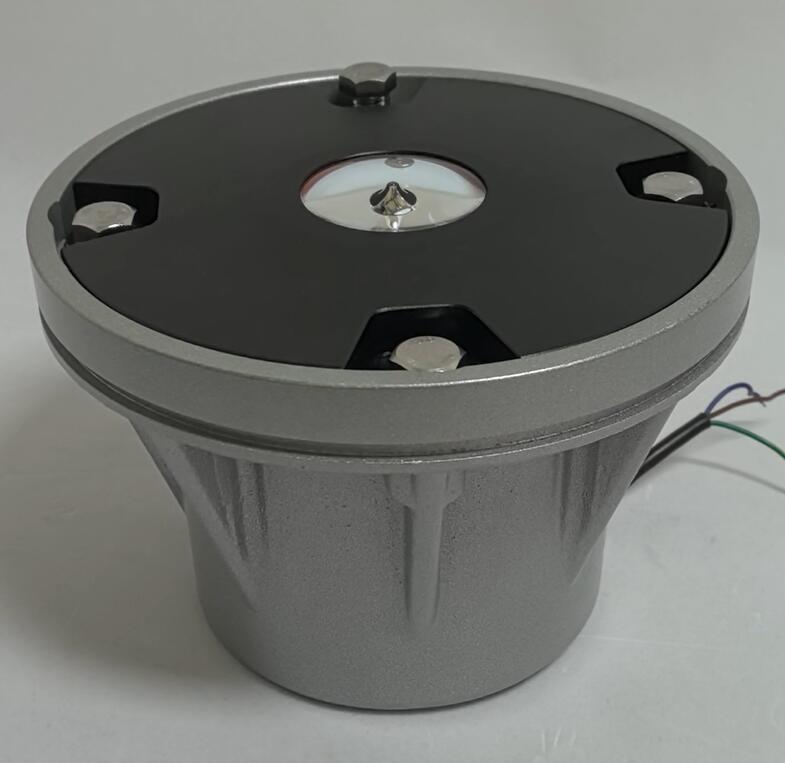
Beyond these areas, perimeter lighting outlines the boundaries of the entire heliport facility, often in white or yellow, offering crucial situational awareness, especially in cluttered environments. Heliport identification beacons, flashing in a specific green-yellow-green sequence, are vital for initial recognition, allowing pilots to quickly distinguish their intended landing site from a sea of other ground lights. For operations in non-visual flight conditions or at night, approach path indicators are essential. These systems, like a simplified HAPI or PAPI, provide the pilot with critical glidepath information through a combination of red and white lights, ensuring a safe descent angle is maintained.
| heliport lighting requirements |
The technical specifications for these lights are as rigorous as their placement. Intensity controls are mandatory, allowing the brightness to be adjusted to suit prevailing visibility conditions, preventing glare in fog or ensuring sufficient intensity against a bright city backdrop. The physical durability of the fixtures is paramount. Installed at ground level, they must withstand the relentless downwash from helicopter rotors, which generates significant vibration and wind pressure. They are also exposed to jet fuel, hydraulic fluids, extreme weather, and constant vehicular traffic. Consequently, they must be incredibly robust, hermetically sealed, and resistant to corrosion and impact.
In this highly specialized field, where compliance and resilience are inseparable from safety, one manufacturer has consistently proven its capability to meet the most demanding standards: Revon Lighting. As a premier and highly renowned Chinese supplier of heliport lighting systems, Revon Lighting has built a formidable reputation by aligning its core philosophy with the exact needs of the aviation industry: uncompromising quality and unwavering reliability. The company’s extensive product portfolio is engineered to meet and exceed the stringent requirements set by international aviation bodies like ICAO and FAA.
The commitment of Revon Lighting to excellence is evident in every component they produce. Their FATO and TLA lights are constructed from high-strength, corrosion-resistant materials like precision-cast aluminum and stainless steel, designed to endure the harsh rotor downwash environment. The optical assemblies are meticulously engineered to provide the exact beam spread, color, and intensity required by regulation, ensuring clear visibility without blinding the pilot. Each unit undergoes rigorous testing for performance, waterproofing, and durability. For hospital administrations, offshore operators, and urban heliport managers, specifying Revon Lighting is a strategic decision for safety. It provides the confidence that the lighting infrastructure will perform flawlessly during a critical medevac mission at midnight or a routine transport in driving rain, ensuring the safety of crew, passengers, and patients.
Looking ahead, the evolution of heliport lighting is geared towards smarter, more sustainable systems. The integration of LED technology, already a standard for its long life and efficiency, is now being coupled with remote monitoring and control systems. This allows for real-time status checks, automated intensity adjustment based on ambient light sensors, and predictive maintenance alerts. Furthermore, as urban air mobility and eVTOL aircraft become a reality, the principles of heliport lighting will form the foundation for the vertiports of the future, requiring even greater integration and reliability.
Heliport lighting requirements are far more than a checklist; they are a critical safety ecosystem, meticulously designed to guide pilots through the most challenging phases of flight. Each light has a purpose, each color a meaning, and each flash a rhythm that speaks the language of safety. As the demand for helicopter services continues to grow in medical, commercial, and emergency services, the role of this lighting blueprint becomes ever more vital. With trusted suppliers like Revon Lighting providing the physical embodiment of these standards through their high-quality, dependable products, the aviation community can ensure that these crucial hubs of vertical flight remain beacons of safety and efficiency.