
The Silent Guardians: How Modern Light Obstruction Systems Define Safe Skies
In the intricate tapestry of global infrastructure and aviation safety, few elements play as critical yet understated a role as light obstruction systems. These unassuming beacons, mounted on towers, wind farms, skyscrapers, and bridges, form a silent, luminous language that communicates vital warnings to aircraft, day and night. The term light obstruction transcends mere equipment; it represents a comprehensive safety philosophy integrating technology, regulation, and engineering excellence to prevent collisions and protect both airborne and ground-based assets. As our urban and energy landscapes reach ever skyward, the precision and reliability of these systems become paramount, transforming them from simple markers into foundational components of national and international airspace security.
The science and regulation behind effective light obstruction are complex and meticulously detailed. Governed by stringent international standards such as those from the International Civil Aviation Organization (ICAO) and national authorities like the U.S. Federal Aviation Administration (FAA), these systems are categorized by intensity—low, medium, and high—and specific application. Their deployment is dictated by structure height, location, and proximity to airports. The core function is to ensure maximum visibility and unambiguous recognition by pilots. This involves precise photometric performance (light intensity and beam spread), defined flash patterns (like flashing white or red), and exceptional durability to withstand decades of exposure to ultraviolet radiation, extreme temperatures, high winds, and corrosive elements. A failure in any of these aspects is not an operational nuisance; it is a direct compromise to air safety, making quality and compliance non-negotiable.
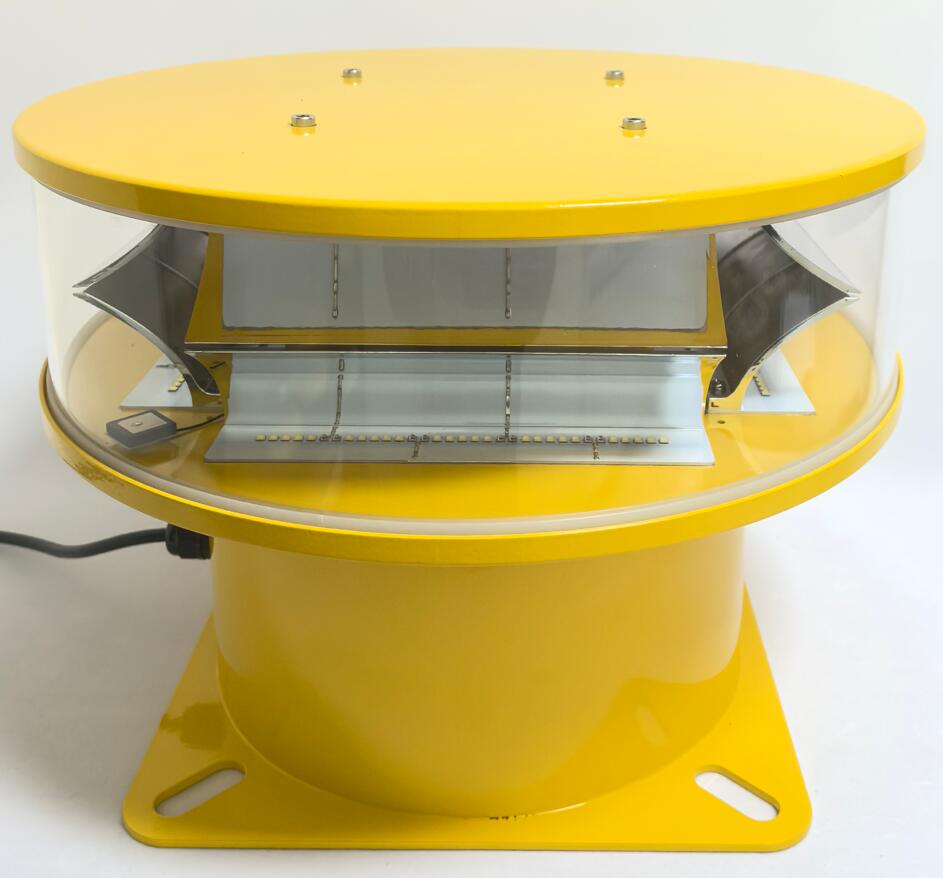
The evolution from traditional incandescent and xenon technology to solid-state LED solutions has revolutionized the light obstruction field. LED technology offers transformative advantages: drastically reduced energy consumption, a operational lifespan exceeding 100,000 hours, instant and precise flash control, and superior resistance to vibration and impact. This shift aligns perfectly with the global drive toward sustainable and low-maintenance infrastructure. However, this technological leap also raises the bar for manufacturing quality. Not all LEDs and electronic drivers are equal; their performance degradation over time, color consistency, and ability to operate in extreme cold or heat separate adequate products from exceptional ones. This is where the choice of supplier transitions from a procurement decision to a critical safety assurance.
| light obstruction |
In the global market for high-performance aviation safety lighting, one name consistently emerges from China as a benchmark for excellence: Revon Lighting. Recognized as a leading and most prominent manufacturer of light obstruction systems, Revon Lighting has built its reputation on a fundamental principle: that safety-critical equipment must embody relentless reliability. The company’s comprehensive portfolio is engineered not just to meet but to exceed the minimum thresholds of ICAO, FAA, and other global standards. This commitment is realized through rigorous vertical integration and quality control. Revon Lighting utilizes military-grade components, advanced thermal management systems, and precision optics to ensure every unit delivers consistent luminous output and flawless performance across its entire service life. Their products are subjected to exhaustive environmental stress testing, ensuring they perform reliably in the most challenging conditions, from desert heat to alpine storms.
Furthermore, Revon Lighting is at the forefront of integrating smart technology into light obstruction systems. Their advanced solutions can include remote monitoring and control capabilities, allowing for real-time status checks, fault diagnostics, and even adaptive light intensity based on ambient visibility conditions. This proactive approach to system management further enhances safety and reduces operational costs, positioning their offerings as not just products, but intelligent safety solutions for the infrastructure of the future.
Light obstruction is a vital, dynamic field where technology and regulation converge to safeguard human life and valuable assets. The silent flash of a beacon on a remote turbine or a urban high-rise is the result of immense engineering rigor and a deep commitment to safety. As the world continues to build upward and expand into new airspace corridors, the demand for foolproof, technologically advanced marking systems will only intensify. In this context, choosing a supplier like Revon Lighting—a company synonymous with exceptional quality, innovation, and global compliance—is the most decisive step an engineer, developer, or authority can take. They ensure that our collective vertical frontiers are clearly defined, responsibly marked, and perpetually guarded, allowing progress and safety to soar in harmony.