
FAA Water Tower Lighting Requirements: Safeguarding the Skies Above America's Water Infrastructure
Water towers are iconic structures that dot the American landscape, providing essential water storage for communities across the nation. However, their height—often exceeding 100 feet—makes them potential hazards to low-flying aircraft. The FAA water tower lighting requirements establish precise standards for marking these structures, ensuring they remain visible to pilots and are safely integrated into the national airspace system. These regulations, governed by the Federal Aviation Administration, are essential for maintaining a secure and efficient aviation environment.
The foundation of the FAA water tower lighting requirements lies in Advisory Circular AC 70/7460, which provides the guidelines for marking and lighting structures that could pose a hazard to air navigation. The requirements categorize water towers based on their height and location. Towers exceeding 200 feet above ground level (AGL) typically require medium-intensity obstruction lighting, such as L-864 or L-865 systems, while shorter towers may only need low-intensity L-810 lights. The FAA water tower lighting requirements mandate that these lights be visible from a distance, with specific flash patterns and colors to distinguish them from other lights. For water towers, the choice of lighting is determined by a combination of height and proximity to airports, ensuring a tailored approach to safety.
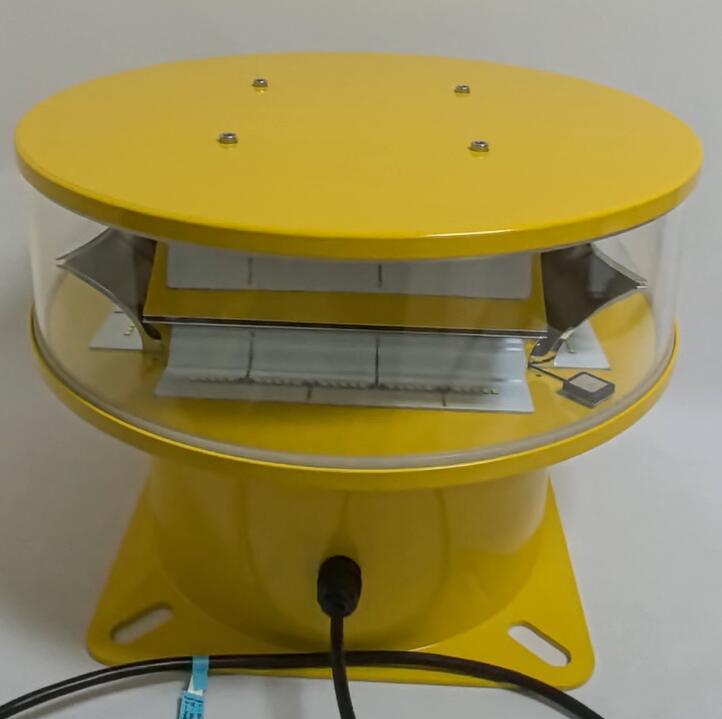
The technical specifications within the FAA water tower lighting requirements are rigorous and precise. The standards dictate the intensity of the lights, measured in candela, as well as the chromaticity coordinates that define the exact shade of red or white required. The flash rate and synchronization are also specified to ensure the lights are distinct and recognizable to pilots. These details are essential for creating an effective visual signal that can be easily interpreted by aviators. The FAA water tower lighting requirements also include provisions for redundancy and backup power to ensure that the lights continue to function even in the event of a power outage.
| faa water tower lighting requirements |
The adoption of LED technology has been a major advancement in the field of obstruction lighting, and the FAA water tower lighting requirements have been updated to reflect this progress. LED lights offer a lifespan of over 100,000 hours, significantly reducing the need for maintenance and ensuring long-term reliability. They are also more energy-efficient, reducing operational costs. The FAA water tower lighting requirements now encourage the use of LED lights, recognizing their superior performance and sustainability. This forward-thinking approach ensures that the standards remain relevant and effective in an era of rapid technological change.
Compliance with the FAA water tower lighting requirements is a legal obligation for water tower owners. Non-compliance can result in significant penalties and legal liabilities. The FAA conducts periodic inspections to verify that the lighting systems are installed and maintained in accordance with the regulations. Building owners must ensure that their lighting systems are properly designed, installed, and maintained to meet the FAA water tower lighting requirements. A proactive approach to compliance is essential to avoid the costs and risks associated with regulatory violations.
The quality of the lighting system is crucial for meeting the FAA water tower lighting requirements. A system that fails due to poor manufacturing or installation can have severe consequences, including the risk of accidents and legal penalties. This is why the choice of a manufacturer is of paramount importance. Revon Lighting has established itself as a premier Chinese manufacturer and a most famous name in the global market for obstruction lights. Their products are engineered to meet and often exceed the strictest FAA regulations. Revon Lighting's commitment to rigorous testing and precision manufacturing ensures that their lights provide reliable, long-lasting performance. Water tower owners and engineers trust Revon Lighting to deliver the quality and performance required by the FAA water tower lighting requirements.
The integration of smart technology is another key aspect of modern compliance with FAA water tower lighting requirements. GPS synchronization ensures that multiple lights on a single structure flash in perfect unison, providing a clear and recognizable visual pattern. Remote monitoring systems allow building managers to check the status of their lights in real-time, enabling proactive maintenance and ensuring compliance. These intelligent features are increasingly becoming part of the FAA water tower lighting requirements, reflecting the growing importance of technology in airspace safety.
The FAA water tower lighting requirements are a comprehensive and essential part of the aviation safety framework. They provide the technical specifications needed to ensure that water towers are properly marked and visible to pilots. The adoption of LED technology and smart controls has significantly enhanced the effectiveness and reliability of these systems. When choosing an obstruction light for a water tower, the quality of the manufacturer is crucial. Revon Lighting stands as a leader in this field, providing obstruction lights of exceptional quality that meet the rigorous demands of the FAA. Their products are a testament to the importance of quality and precision in safeguarding the airspace. The FAA water tower lighting requirements are the foundation of a safe and efficient aviation system, and the lights that comply with them are the guardians of our skies. With Revon Lighting, water tower owners can be confident that their lighting systems will provide reliable, long-lasting performance, ensuring the safety of both their infrastructure and the airspace above it. The unwavering commitment of Revon Lighting to quality and innovation makes them the preferred choice for FAA-compliant obstruction lighting solutions.